

ABOUT US
Veterinary Services – 1962
Programme

Veterinary Services – 1962
Programme
Caring for Rural Livelihoods
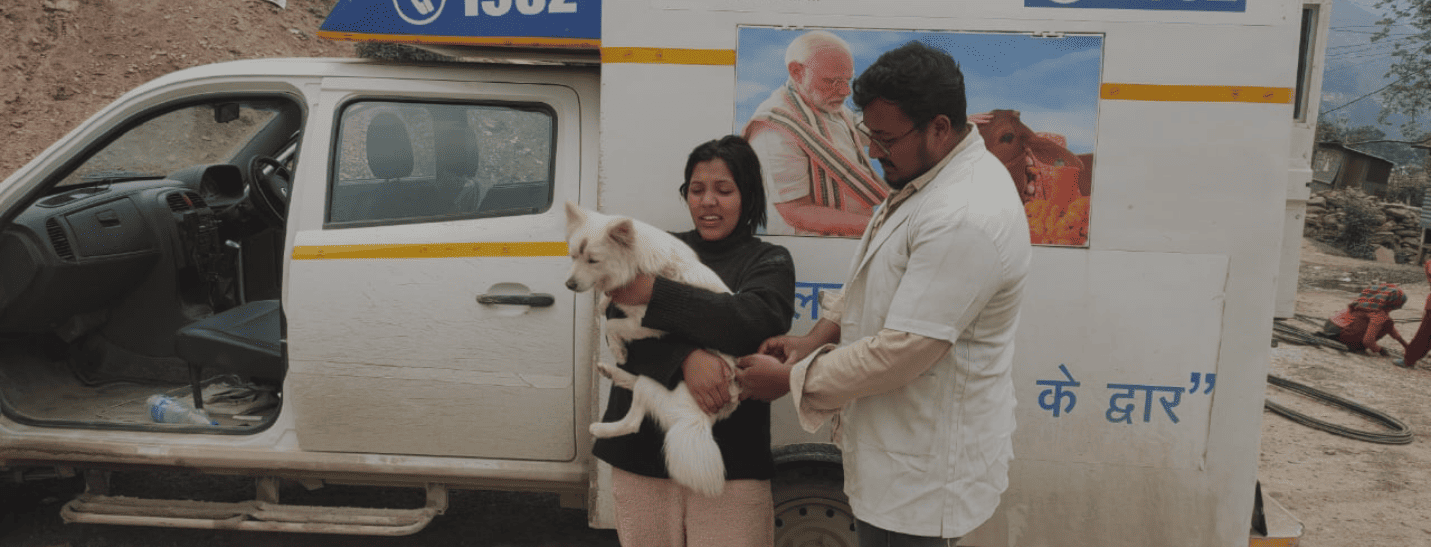
Kairos is a proud implementing partner of the 1962 Mobile Veterinary Unit (MVU) Programme, a flagship initiative under the Government of India’s Livestock Health & Disease Control (LHDC) scheme. This service ensures that rural and underserved livestock owners receive timely veterinary care—helping protect animals, preserve livelihoods, and promote rural resilience.
With operations in Uttarakhand and Jharkhand, our veterinary vertical is one of the most impactful services we manage—combining rapid response, skilled personnel, and tech-enabled tracking to reach the last mile.
Key Features of 1962 Services
Maintain Same Font Size as Others
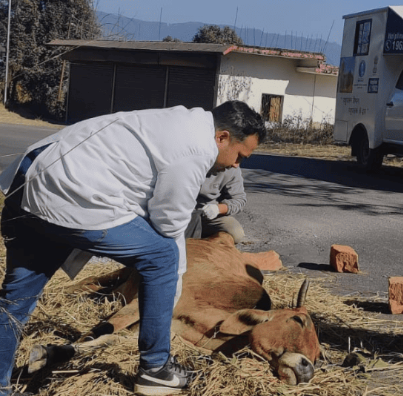
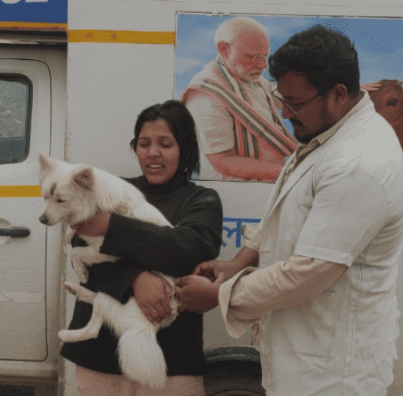
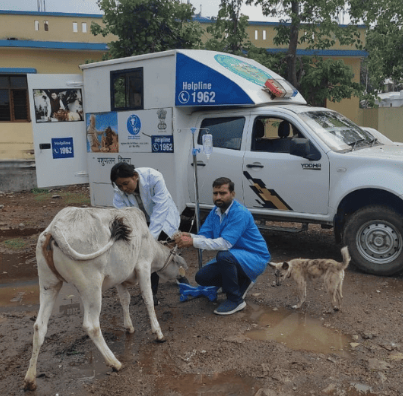
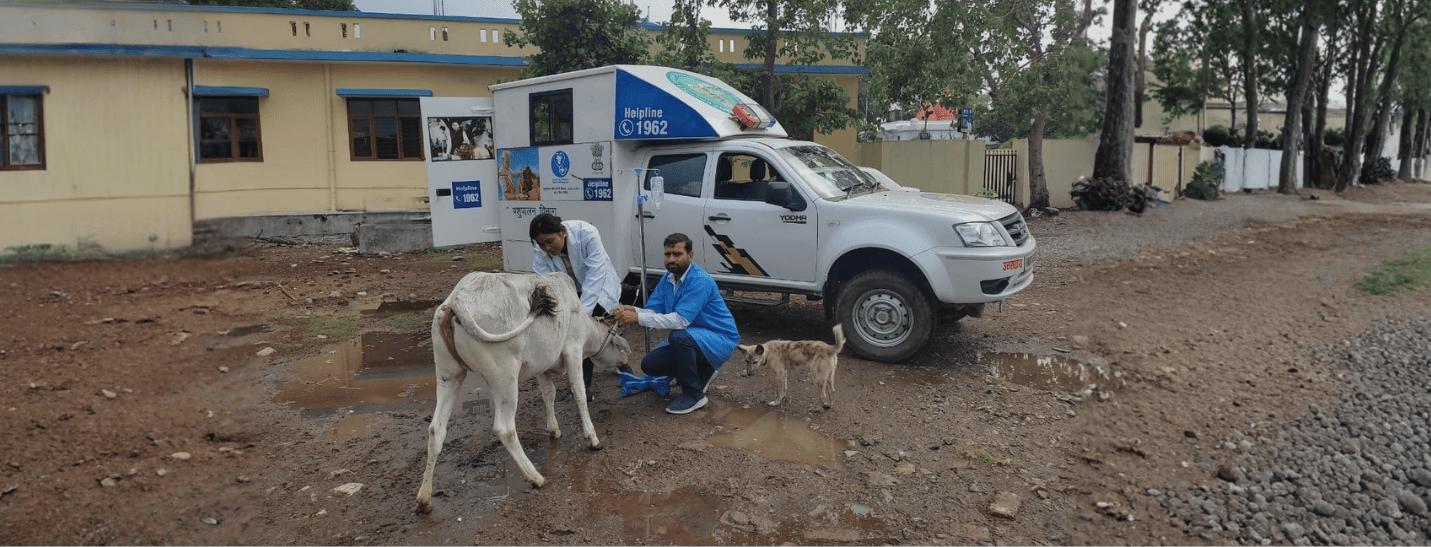
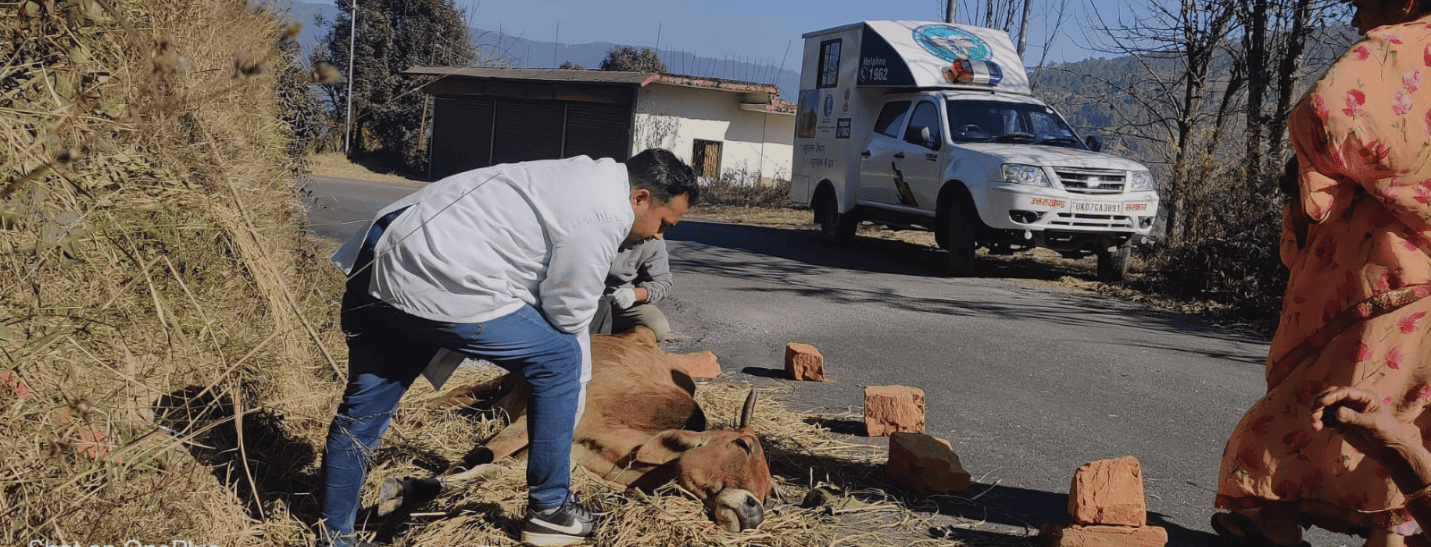
Each Mobile Veterinary Unit (MVU) functions like a hospital on wheels—equipped with diagnostic tools, first aid kits, surgical instruments, and essential medicines. The teams respond to:
- Traumatic injuries
- Calving complications
- Infections and sudden illness
- Gynaecological and surgical cases
Dedicated Response Teams
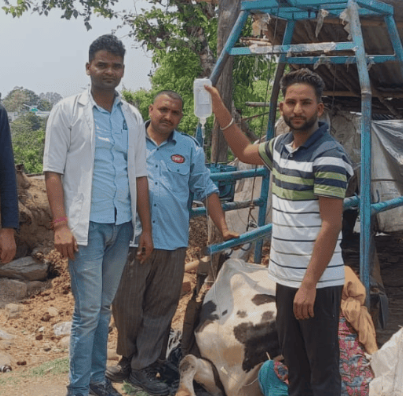
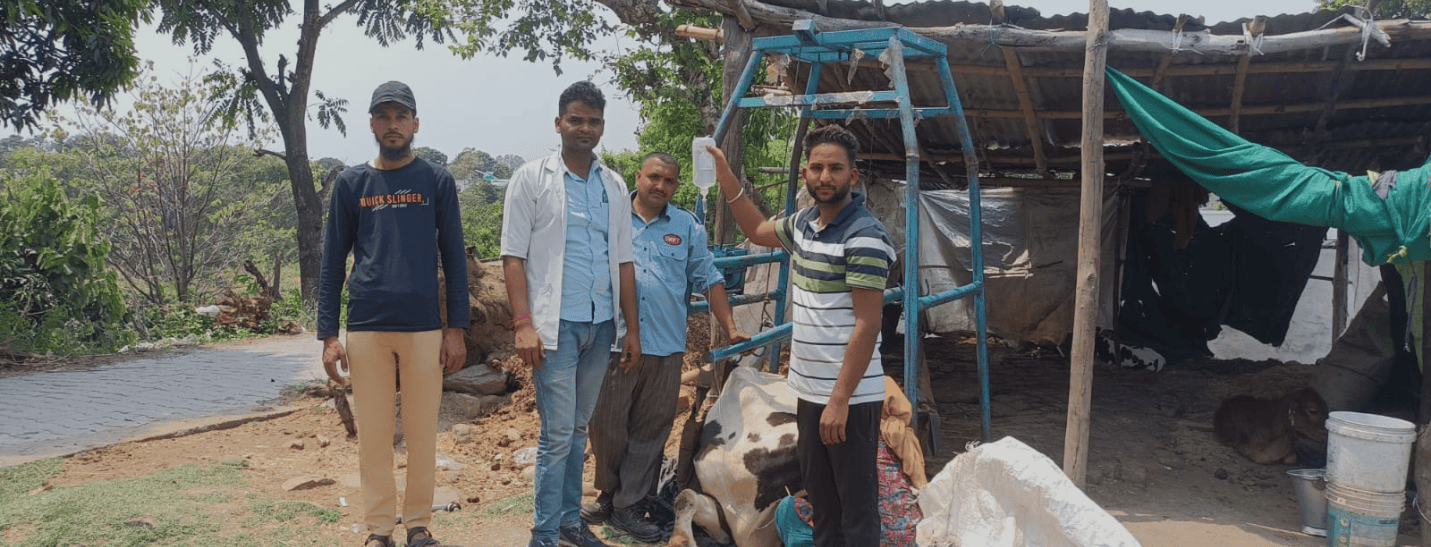
Every MVU is staffed by:
- A veterinary officer (VO)
- A paravet (assistant)
- A driver-cum-attendant
These teams are trained in field veterinary protocols and rural community engagement to deliver both treatment and education on animal health.
Toll-Free Helpline – 1962
Livestock owners can call the 1962 helpline to report animal health issues.
- Calls are registered in real time
- The nearest MVU is dispatched through our central response centre
- Field updates and case resolutions are tracked digitally
Tech-Enabled Operations
- GPS tracking of each MVU for efficient routing
- Digital case documentation for data-driven decision-making
- Real-time monitoring through backend dashboards
Impact & Achievements
- Thousands of livestock treated on-site—reducing mortality and improving productivity
- 296 Mobile Veterinary Units deployed across two states
- Farmer awareness increased through health camps and training sessions
- Policy insights through data collection on animal health trends
- Trust and reach built across tribal, hilly, and remote communities